


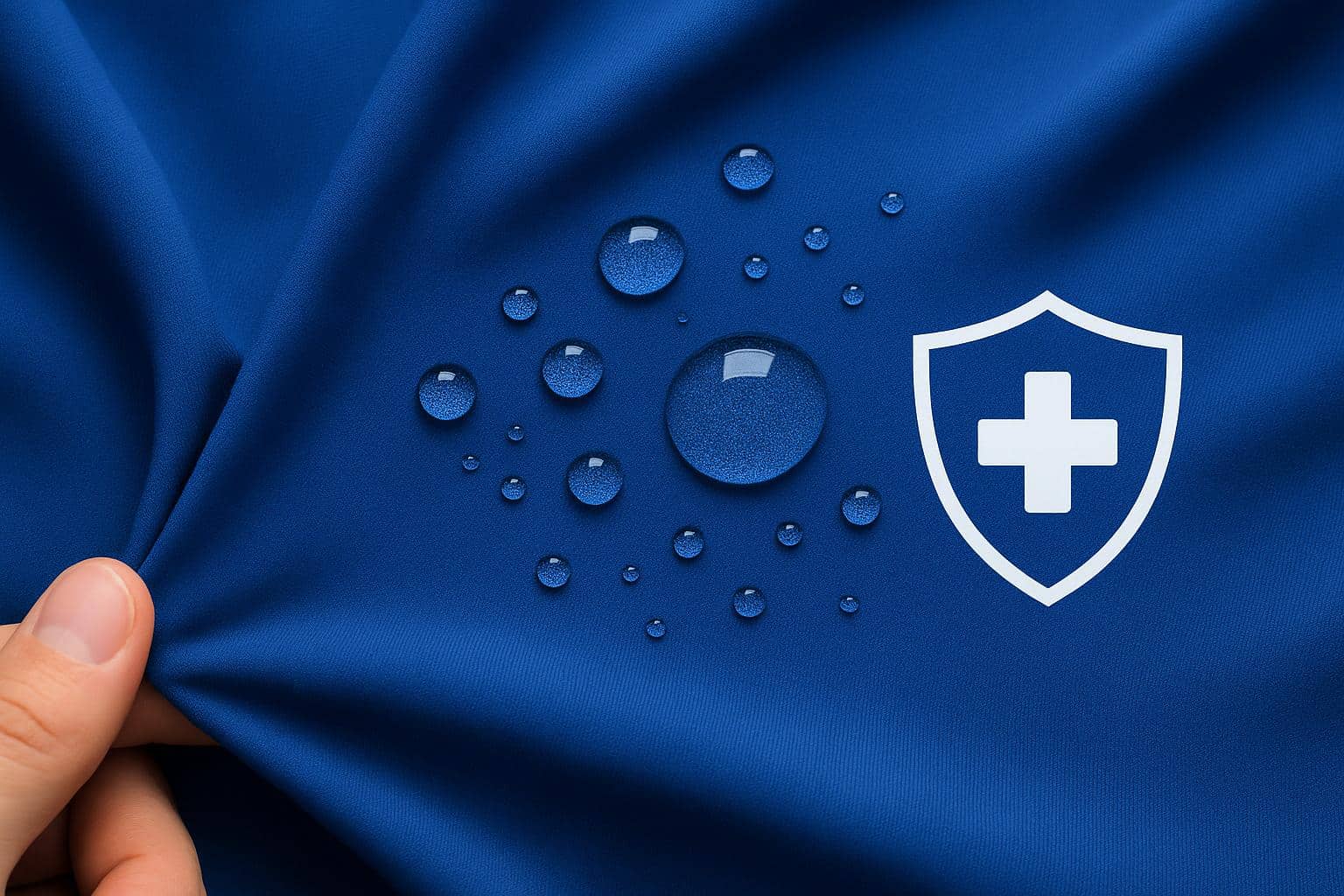
Gone are the days when scrubs were stiff, plain uniforms that dominated healthcare workplaces. Today, medical professionals are asking much more of their workwear: comfort that can last through double shifts, fabrics that will keep up with an active day, and engineered textiles that stay clean, dry, and fresh under the most demanding conditions. The future of scrubs undeniably involves fabric innovation-materials designed to reinforce high performance, supplement excellent patient care, and maximize the work experience for clinicians, nurses, carers, and teams working in each specialty.
As technology and textile science surge forward, scrubs are now becoming high-performance garments more akin to high-end activewear than traditional uniforms. Stretch fabrics, moisture-wicking materials, antimicrobial finishes, and ultralight, quick-drying textiles are no longer options but in many ways the new standard. This pushes the boundaries on what healthcare professionals can expect from their daily uniform and ushers in smarter, stronger, more sustainable scrubs that finally meet the needs of a modern medical world.
1. The Evolution of Scrubs: From Functional Basics to High-Tech Workwear
Historically, scrubs have been designed solely for functionality and cleanliness. Hygiene was the theme, rather than comfort or style. Early scrubs tended to be stiff, boxy, and of high-cotton blends that offered very little stretch and absorbed moisture rapidly. While they served their purpose, they did little to support the physical demands of healthcare work.
As the workplace evolved, so did the need for more sophisticated uniforms. The longer shifts, larger patient caseloads, quicker environments, and more hands-on procedures began to reveal the shortfalls of traditional scrubs. Contemporary healthcare professionals needed apparel that would move with them, remain breathable, and kept comfortable during arduous and emotionally taxing efforts. This shift marked the dawn of a new era: the rise of performance-focused scrub fabrics.
Today's scrubs are a blend of innovation, engineering, and high-performance design. Companies have now started rethinking scrubs from scratch-starting with the fabric itself. Forward-looking textile solutions are making possible the development of scrubs that are softer, stronger, stretchier, easier to clean, and far more responsive to the demands of modern workplaces.
2. Stretch Fabrics:
Enhanced Mobility, Better Fit, More Confidence Some of the major developments that will continue to shape the future of scrubs include multi-directional stretch fabrics. Elastane, spandex, or engineered stretch fibers are commonly integrated into these materials for smooth expansion and recovery in all directions.
In the case of healthcare professionals who repeatedly have to bend, lift, transfer patients, or reach for equipment, stretch fabrics provide enormous benefits:
- Unrestricted movement during fast-paced tasks
- Improved durability because fabrics can resist tearing when stretched.
- Improved fit that can cater to various body types
- Increased comfort during long shifts
- A more professional, streamlined appearance with improved drape and shape retention
Stretch scrubs also help support ergonomic performance. Rather than making the wearer move according to an unyielding material, the material moves with the wearer's natural movements. The end result is a lesser number of distractions, more concentration on patient care, and a better work experience altogether. And as fabric technology continues to evolve, expect even further advanced stretch blends that are essentially weightless yet remain ultra-durable.
3. Moisture-Wicking Fabrics: Staying Cool, Dry, and Comfortable
As medical environments become increasingly complicated and fast-paced, staying dry and comfortable during a long shift is an important concern. In general, moisture-wicking fabrics are designed to meet this challenge by pulling perspiration off the skin and allowing it to evaporate quickly at the surface of the garment.
This technology, initially popularised by the athletic and outdoors apparel brands, is now transforming the healthcare uniform industry. Benefits include:
- Improved comfort in warm environments such as operating theatres or busy wards
- Reduced skin irritation due to moisture build-up
- Feeling fresher on long or physically demanding shifts
- Improved temperature control
- Faster garment drying after washing
Future designs could also include more advanced moisture management systems, such as fibers activated by heat that react to body temperature or engineered micro-channel fabrics designed for faster airflow. This will keep clinicians cool, dry, and alert during the most intense periods.
4. Antimicrobial Technology: Additional Protection in Healthcare Facilities
The introduction of antimicrobial finishes in modern scrubs has revolutionized their hygiene and safety aspects. These textile treatments have been developed to inhibit the growth of bacteria, yeast, and odour-causing microbes on the surface of the fabric. While they do not replace proper protocols for infection prevention, antimicrobial scrubs provide an added layer of protection.
Key advantages include:
- Reduced fabric odor due to microbial growth
- Increased freshness between washes
- Garments last longer because fabrics resist degradation. Increased hygiene in high-risk areas, such as A&E, surgical units, and elderly care Future antimicrobial technologies are likely to be increasingly effective, greener, and more durable. Plant-based antimicrobial agents, silver-ion-eluting fibres, and microencapsulated treatments that can survive industrial wash are some of the upcoming developments.
5. Quick-Dry and Light Textiles for All-Day Comfort
Another major trend that is very much influencing the future of scrubs pertains to ultra-light fabrics that are breathable, weightless in feel, and fast-drying. Today's lightweight scrubs clothing quick-dry fabrics mark a major leap forward, especially for health professionals who experience fluctuating temperatures, rapid movement, or exposure to moisture.
Benefits of these advanced fabrics include:
- All-day breathability
- Fast drying after washing
- Less clinging and discomfort during strenuous activity
- A more soft feeling on the skin
- Reduced bulk, thus increasing ease of movement
Thanks to quick-dry uniforms, professionals do not have to worry about damp or heavy scrubs during back-to-back shifts anymore. These textiles ensure freshness, dryness, and comfort continuously, even in high-intensity environments.
6. Sustainable Fabric Innovation: The Next Wave of Scrub Technology
As sustainability becomes the priority of many industries around the world, even healthcare has started to adapt to eco-friendly uniform solutions. Future scrub fabrics will focus on performance but also be developed with a conscience toward minimizing environmental impact.
Emerging trends include:
- Recycled polyester from plastic bottles
- Bio-based fibres made of renewable sources
- Low-water dyeing methods
- Waste-minimizing production processes
- Durable fabrics for long-term use that can contribute minimally to landfill waste
This shift is in line with a greater movement for more conscious consumption. Health institutions and workers are increasingly seeking uniforms that accord with the values of sustainability without compromising comfort or performance.
7. The Future of Scrubs: Smarter, More Adaptive
Moving forward, the next generation of scrub fabrics could host advanced technology like those seen in performance sportswear and wearable technology. Possible future innovations could be:
- Temperature-responsive fabrics adjust insulation
- Odour-neutralising fibres integrated
- Health monitoring with electroconductive yarns
- Fabrics that resist fluid penetration without sacrificing breathability
- Even lighter yet stronger fibers that support extreme movement
These advancements will create scrubs that actively support the needs of healthcare professionals by acting both as protective gear and comfort-focused apparel.
8. New Standard for Uniforms in Medicine
The future indeed looks bright for scrub fabrics, owing to a growing demand for comfort, safety, and performance inspired by the healthcare industry. Stretch technology enhances mobility; moisture-wicking materials keep professionals cool and dry; antimicrobial treatments add essential protection; and lightweight, quick-dry fabrics reinvent day-long comfort. Put together, these innovations make scrubs go from the mere uniform to an essential tool in itself: a garment engineered for the heroes that wear them. And as technology advances, so will these scrubs get smarter, stronger, greener, and comfier than ever.
