





Shafila Rahman is a healthcare professional with experience in patient coordination and transport operations, offering practical insight into how logistical systems influence care delivery. After earning a master’s degree in public health from Emory University, Shafila Rahman worked as a Patient Care Coordinator at Emory Brain Health, where she supported sleep care patients, managed scheduling, and guided individuals through insurance processes. She later served as a Patient Transport Supervisor at Northeast Georgia Medical Center, overseeing transport team operations, staff training, and safety protocols. Her combined experience across administrative coordination and patient movement within clinical settings informs a clear understanding of how transport efficiency, communication, and safety directly shape patient outcomes and experiences across healthcare environments.
How Patient Transport Impacts Patient Outcomes and Experiences
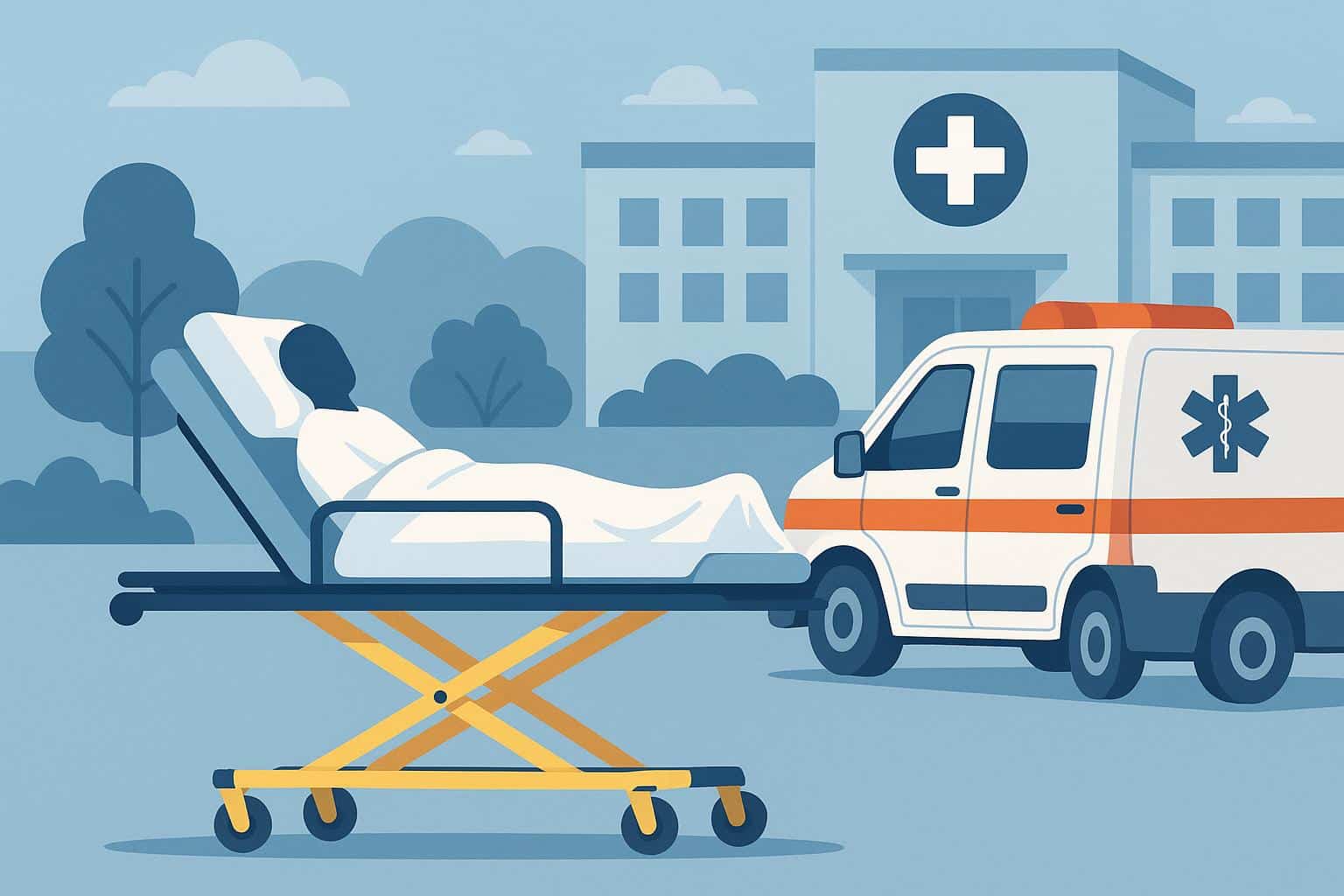
Patient transport forms an essential but often overlooked part of healthcare delivery. This process includes moving a patient from one hospital area to another or taking them home after treatment. Each movement goes beyond logistics. The speed, coordination, and safety of transit affect how quickly and successfully medical teams treat patients.
Within hospitals, internal patient transport plays a significant role in the overall efficiency of medical services. Moving between diagnostic imaging, operating rooms, recovery areas, and specialty units is common for patients. Transfer delays can hinder therapy and lengthen hospital stays. With fast transport systems, doctors and nurses can see patients on time and continue care without interruptions.
Transport safety is another important factor in patient outcomes. A lot of the time, patients who need to move around inside or between facilities already have health problems that make them weak. During travel, people may need oxygen, monitoring, or medicine. Trained transport professionals monitor vital signs, secure medical devices, and respond to unexpected patient changes to ensure stability.
Coordination between transport teams and clinical staff often determines the effectiveness of patient transfers. Nurses and doctors usually describe the patient’s medical needs before travel. This communication helps transport staff prepare equipment, identify risks, and maintain care during the trip. Careful coordination prevents medical problems and maintains treatment consistency.
Patient experience also changes depending on how transport services operate. Moving between medical facilities can cause anxiety and discomfort for many patients. The trip is less stressful when transport professionals communicate well and help patients patiently. Calm, polite communication can affect a patient’s perceptions of care.
Technology is beginning to reshape patient transport systems across many healthcare organizations. Digital logistics solutions manage transit requirements, staff availability, and hospital and medical network movement. These systems cut wait times and enhance scheduling. Thus, patients can access diagnostic tests or procedures more quickly, improving treatment.
Transport services also affect broader hospital performance metrics. Hospitals track patient satisfaction, treatment delays, and operational efficiency. Patient migration across departments affects many measures. Hospitals with better transport coordination have smoother workflows and fewer schedule issues.
Another aspect of patient transport involves transfers between healthcare facilities. Some providers provide non-emergency medical transport for routine appointments. Those who specialize in priority or critical care transport use advanced equipment and specialized staff to transport patients over long distances. These services help patients reach secure care environments.
Specialized medical transport services have expanded in recent years to meet the needs of complex patient populations. Some providers provide non-emergency medical transport for routine appointments. Those who specialize in priority or critical care transport use advanced equipment and specialized staff to transport patients over long distances. These services help patients reach secure care environments.
Patient satisfaction frequently reflects the quality of transport experiences within healthcare systems. Patient surveys show that delays, communication issues, and uncomfortable journeys affect evaluations of care. Prompt, respectful, and well-coordinated transport professionals can improve these perceptions. Positive transit experiences boost dignity and reassurance during medical care.
The growing attention to patient logistics reflects a broader understanding of healthcare as an interconnected process. Treatment rarely occurs in one place. Multiple departments, specialists, and facilities treat patients. Transportation links these processes, ensuring each care step occurs at the right time and place.
Patient transport illustrates how operational details influence both medical results and personal experiences within healthcare. Patient transportation between departments and facilities impacts safety, efficiency, and comfort. Transport may become more important to healthcare quality as hospitals improve coordination and logistics. Thus, patient transport shows that effective care often depends as much on how patients travel through the system as on their therapies.
About Shafila Rahman
Shafila Rahman is a healthcare professional with experience in patient coordination and transport supervision. She earned a master’s degree in public health from Emory University and a business administration degree from Georgia Gwinnett College. Her roles include serving as a Patient Care Coordinator at Emory Brain Health and as a Patient Transport Supervisor at Northeast Georgia Medical Center, where she managed operations, staff training, safety protocols, and departmental logistics while supporting patient needs and care coordination.

