





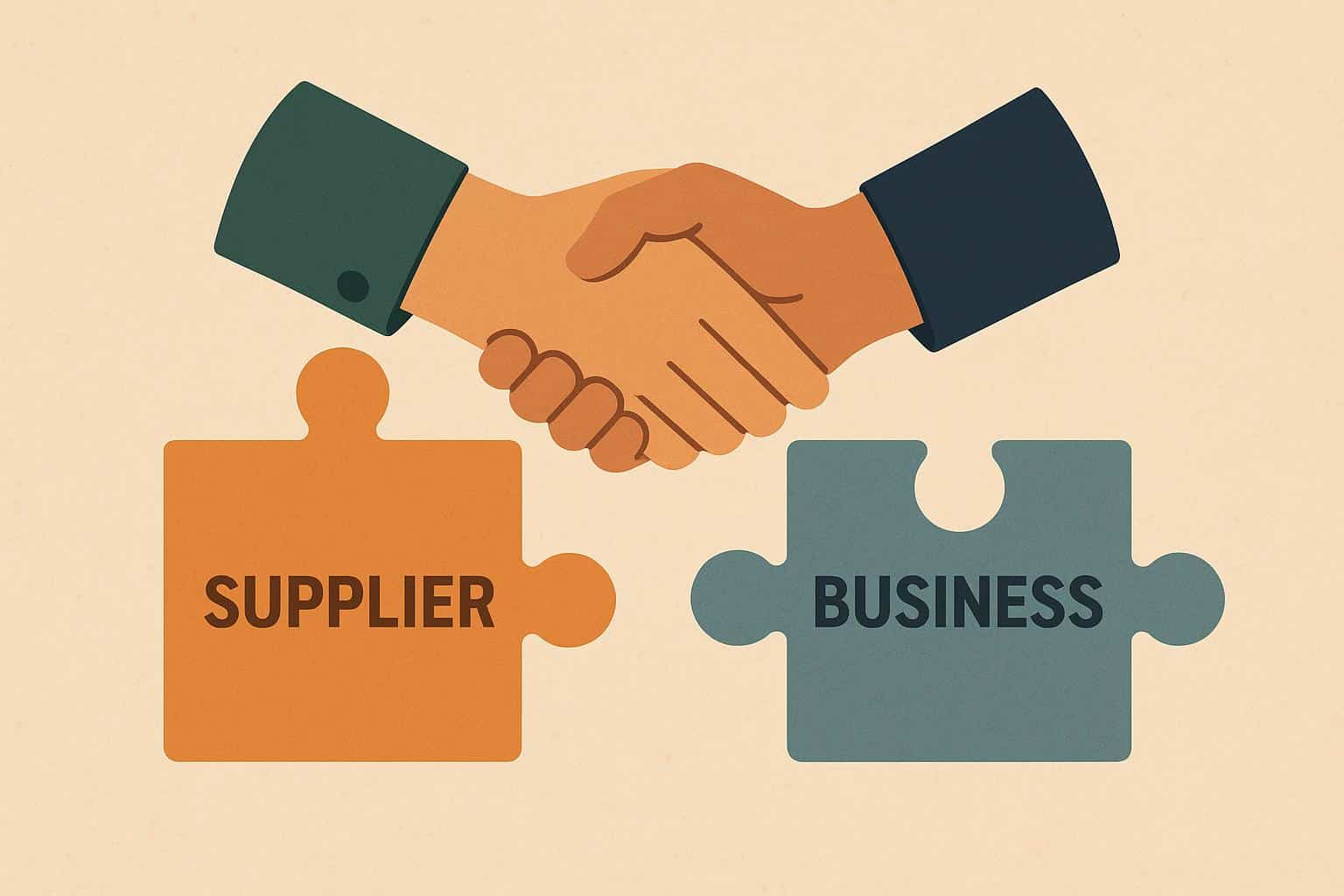
Most businesses start by choosing suppliers based on immediate needs. Price, availability, and delivery speed often take priority. That makes sense in the early stages when getting operations moving is the main goal. But over time, that approach can create friction. What works for a short term transaction does not always support long term growth.
The real shift happens when a supplier stops being just a vendor and starts becoming part of how your business operates. This is especially clear in industries where consistency and reliability matter, such as working with corporate uniform companies that must deliver not only products but ongoing support, quality control, and adaptability. At that point, the relationship is no longer about individual orders. It is about alignment.
Choosing a supplier as a long term partner requires a different mindset. It is less about what they can offer today and more about how they will perform over time.
Reliability is more than on time delivery
Reliability is often reduced to meeting deadlines, but in a long term relationship, it means much more. It includes consistency in quality, clear communication, and the ability to handle unexpected challenges without disruption.
A supplier may deliver on time but still create problems if quality fluctuates or if communication is unclear. Over time, these small inconsistencies can add up, affecting your operations and reputation.
This is why track record matters. Looking at how a supplier has performed across different conditions can provide insight into how they will behave in the future. The U.S. Small Business Administration emphasizes evaluating supplier reliability as a key factor in building stable operations, noting that consistency supports long term success. Their guidance on managing supplier relationships highlights the importance of dependable partnerships.
Reliability is not just about meeting expectations. It is about maintaining them.
Alignment reduces friction over time
One of the less obvious factors in choosing a supplier is alignment. This includes shared priorities, similar approaches to problem solving, and a compatible pace of work.
When alignment is strong, communication becomes easier. Decisions require less explanation. Adjustments can be made more quickly because both sides understand each other’s expectations.
Without alignment, even simple interactions can become complicated. Misunderstandings increase. Processes slow down. Over time, this creates friction that affects efficiency.
Alignment is not always visible at the beginning of a relationship. It often becomes clear through repeated interactions. Paying attention to how a supplier responds to feedback, handles issues, and communicates can reveal whether that alignment exists.
Financial stability supports continuity
A supplier’s financial stability may not seem relevant on a day to day basis, but it plays a critical role in long term partnerships. A supplier that struggles financially may face disruptions, delays, or changes in service that affect your business.
Understanding a supplier’s stability helps reduce uncertainty. It provides confidence that they can maintain operations, invest in improvements, and support your needs over time.
This is particularly important for businesses that rely on consistent supply. Interruptions can create ripple effects, impacting production, delivery, and customer satisfaction.
The International Trade Administration highlights the importance of evaluating supplier financial health when building global partnerships. Their overview of supplier risk management strategies emphasizes how financial stability contributes to long term reliability.
Stability is what allows a partnership to endure beyond immediate transactions.
Scalability determines future compatibility
A supplier that works well today may not be able to support your business as it grows. This is where scalability becomes important. The ability to increase production, adjust to higher demand, or expand services can determine whether a supplier remains a good fit over time.
Scalability is not just about size. It also involves flexibility. A supplier that can adapt processes, introduce new capabilities, or adjust to changing requirements is more likely to remain relevant.
This is especially important in industries that evolve quickly. As your business changes, your supplier needs to keep pace.
Evaluating scalability early can prevent the need to switch suppliers later, which can be disruptive and costly.
Communication builds trust and efficiency
Clear communication is one of the most important elements of a long term partnership. It affects everything from order accuracy to problem resolution.
A supplier that communicates proactively can prevent issues before they escalate. They can provide updates, clarify expectations, and respond to concerns quickly. This creates a smoother workflow and reduces uncertainty.
On the other hand, poor communication can create confusion and delays. Even small misunderstandings can lead to larger problems if they are not addressed early.
Trust is built through consistent communication. Over time, this trust becomes a foundation for collaboration.
Partnership creates shared growth
When a supplier is treated as a long term partner, the relationship becomes more collaborative. Both sides benefit from each other’s success.
This can lead to improvements in efficiency, innovation, and overall performance. A supplier that understands your business can suggest better solutions, anticipate needs, and contribute to growth.
At the same time, your business provides stability and opportunity for the supplier. This mutual benefit strengthens the relationship.
Partnership is not just about transactions. It is about shared progress.
Short term savings can lead to long term costs
One of the most common mistakes in supplier selection is focusing too heavily on cost. While pricing is important, it should not be the only factor.
Lower costs can sometimes come with tradeoffs in quality, reliability, or service. These tradeoffs may not be immediately visible, but they can create long term challenges.
A slightly higher cost supplier that offers consistent performance and strong support may provide better overall value. The total cost of a supplier includes more than the price of their products. It includes the impact they have on your operations.
Looking beyond initial pricing helps create more sustainable decisions.
Choosing a partner is choosing a direction
In the end, selecting a supplier as a long term partner is not just a purchasing decision. It is a strategic one. It influences how your business operates, how it grows, and how it responds to challenges.
The right supplier supports your goals, adapts to your needs, and contributes to your success. The wrong one creates friction, uncertainty, and limitations.
Taking the time to evaluate reliability, alignment, stability, scalability, and communication can make a significant difference. These factors may not always be obvious at first, but they shape the relationship over time.
A strong supplier partnership does not just meet today’s needs. It helps build what comes next.

