





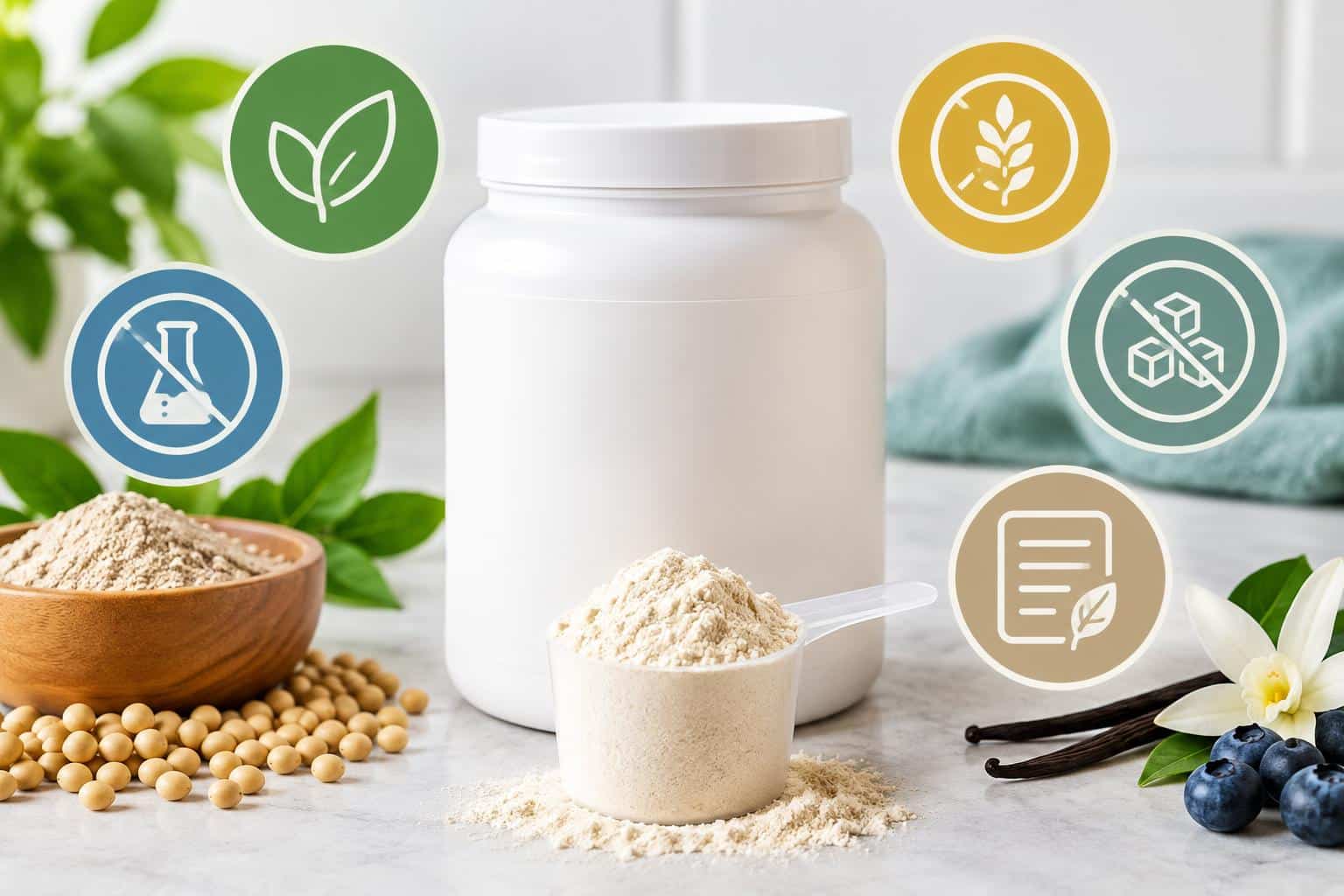
Protein has moved from the gym bag to the grocery cart. Whether you’re blending a post-workout shake, stirring a scoop into your morning oats, or reaching for a bar between meetings, there is no shortage of choices. Powders, shakes, and bars line the shelves of supermarkets and online stores, and shoppers have started paying closer attention to what comes along with the protein.
That’s where “clean label” comes in. The term has no formal legal definition, but it generally means products with short, recognizable ingredient lists and fewer unnecessary additives. Here’s what shoppers in this camp tend to check before they buy.
A Short Ingredient List
This is usually the first stop. Ingredients are listed in order of weight, so the first few items make up most of what’s in the tub. For a protein powder, protein should be near the top. A long list full of sweeteners, thickeners, and flavorings isn’t automatically a problem, but it’s a reason to read more closely.
Clear Protein Numbers
Next comes the protein itself. Check the grams per serving, then check how big the serving is. A larger scoop can make one powder look better than another on paper, so compare the same scoop size to see what you’re really getting for your money.
Proof That It’s Been Tested
Testing has become a bigger part of the conversation. Independent tests of protein powders have found detectable levels of lead and other heavy metals in some products, and that has made many shoppers more careful. The results vary from product to product, which is why looking for outside testing or certification on the label has become a common habit.
A powder that’s been checked by an independent lab is one way to confirm you’re getting what’s on the label and nothing more.
A Fit for Your Diet
Protein powders aren’t one-size-fits-all. Whey comes from milk, so anyone who has trouble with dairy may prefer a plant-based option. It’s also worth scanning the label for ingredients that don’t agree with you, like soy or gluten, and for added sugars or sweeteners if you’d rather skip them. Sensitivities vary, so the label is the best place to check.
Brands That Show Their Work
Levels is one whey protein brand that has built its products around these points. The company says its flavors have just six to eight ingredients each, with no artificial sweeteners or flavors, and that its protein is hormone-free, soy-free, and gluten-free. It also says it earned the Clean Label Project’s Purity Award after passing a screen for more than 400 potential contaminants.
The range shows how the idea plays out in practice. Vanilla Bean and Double Chocolate — two best-sellers — are the familiar picks. Strawberry keeps its list to eight ingredients and delivers 24 grams of protein per scoop. The Unflavored whey is the most stripped-down option, with just two ingredients and 25 grams of protein per scoop, a simple choice for blending into smoothies or recipes. And if you like to keep protein handy in a gym bag or a travel bag, Levels offers sample packs that are an easy way to carry a scoop without hauling a whole tub.
Levels is also easy to find. It’s sold in stores at Walmart and online through Amazon and the Levels website.
Whichever brand ends up in your cart, the habit is worth keeping. Shoppers who once looked only at the protein number are now reading the rest of the label too.

