





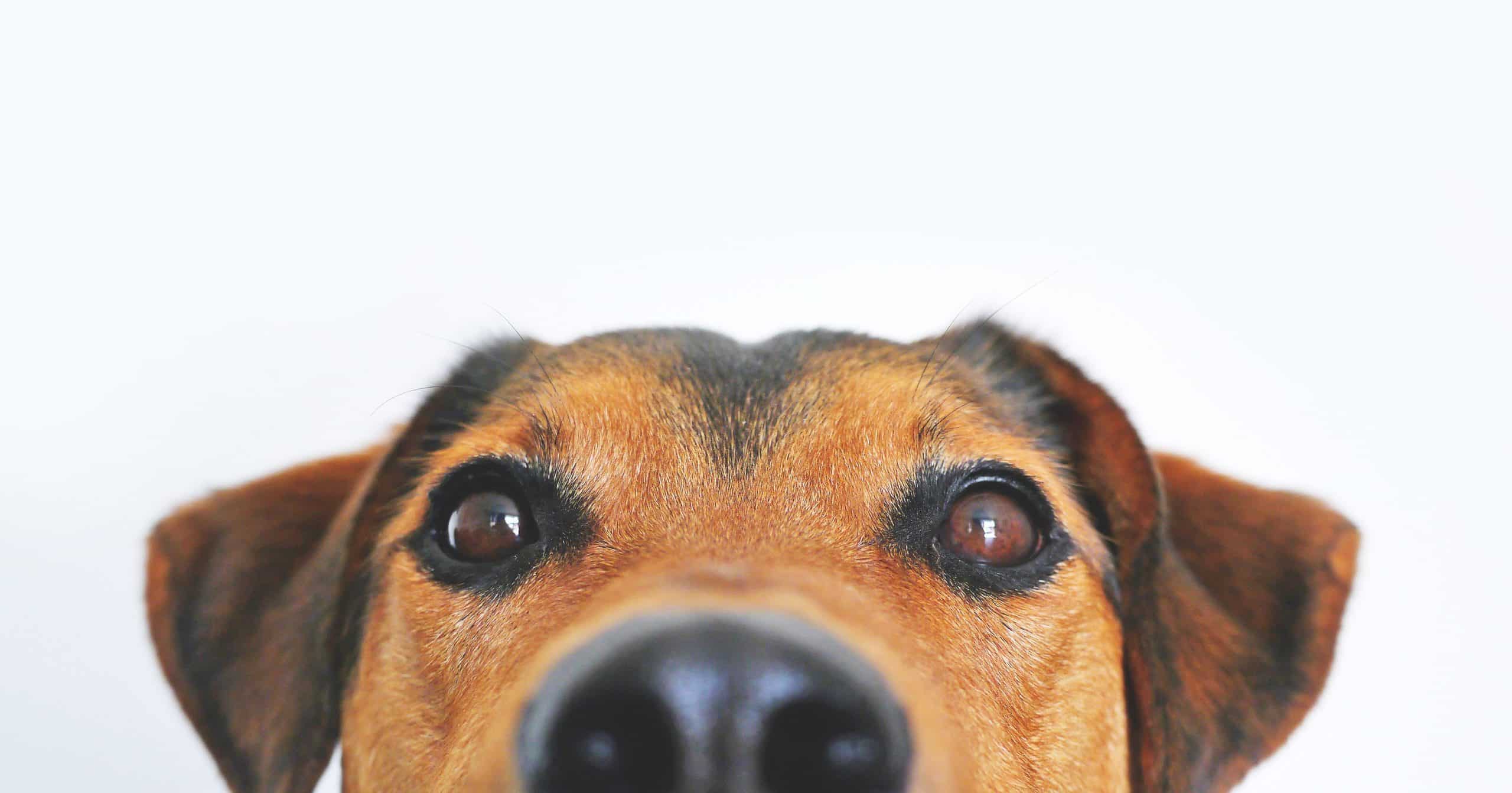
Bringing home a puppy comes with plenty of perks. More time outdoors, daily walks, and a new companion can all be good for your physical and mental wellbeing. But those early weeks also come with sleepless nights, chewed-up belongings, and the occasional puddle on the floor.
Potty training is one of the first challenges new puppy parents face, and it takes patience, consistency, and a little preparation. The good news? A few simple habits can make the process easier for both you and your new four-legged family member.
Set Realistic Expectations
Puppies have small bladders and are still learning how their bodies work. The American Kennel Club offers a helpful rule of thumb: puppies can hold their bladder for roughly the number of hours equal to their age in months, plus one. A four-month-old puppy, for example, can manage about five hours. Very young puppies and toy breeds may need to go out as often as once an hour. Knowing these limits means fewer surprises.
Build a Routine
Predictability lowers stress for people and puppies alike. Take your puppy out first thing in the morning, after meals, after naps, after play, and right before bed. Choose one outdoor spot, walk your puppy there each time, and use the same cue, such as “go potty.”
Use Your Voice to Teach
When your puppy goes in the right spot, respond with a bright, excited voice and a quick “Good pee!” or “Good poo!”, followed by a treat or playtime. Dogs repeat actions that earn rewards, so this makes the right choice feel great.
When an accident happens indoors, switch to a flat, calm voice. If you catch it in the act, interrupt with a simple “oops” and take your puppy to the right spot. Scolding after the fact tends to confuse puppies and can hurt the bond you’re building.
Plan for the In-Between Times
Even with a consistent routine, there will be times when getting your puppy outside isn’t easy. Bad weather, apartment living, or an unexpectedly busy schedule can all make potty training a little more challenging.
Training pads give your puppy a designated indoor spot and protect your floors in the meantime, which takes one worry off your plate. HoneyCare’s training pads are designed with six leak-proof layers and a quick-dry surface that dries in as fast as four seconds, which can help reduce wet paw tracking across the room.
When Tummy Troubles Make Training Harder
Sometimes the problem isn’t training at all. A new home, a change in food, or a snack found on a walk can all lead to an upset stomach, and loose stools can undo even a good routine. An upset stomach is one of those things pet parents rarely prepare for until they’re already dealing with it, and it can add extra accidents to the day. Keeping a simple first-aid item on hand helps. Stop The Runs from Tevra Brands is designed to help manage occasional loose stools in dogs.
Occasional loose stools are one thing, but they’re not something to wait out. If your puppy has frequent accidents despite a steady routine, strains, seems unwell, or doesn’t improve within a day or so, call your veterinarian.
Handle Accidents Calmly and Know When to Call the Vet
Clean up accidents thoroughly. Lingering odor can encourage a puppy to return to the same spot, so an enzymatic cleaner made for pet messes is the best choice. Then get back to your routine without starting over.
Most accidents are normal, but frequent ones despite a steady routine, straining, or a sudden change in habits are worth mentioning to your veterinarian. They can sometimes point to a health issue that training alone can’t fix.
Patience Pays Off
Every puppy learns at their own pace. With a steady routine, plenty of patience, and a calm approach to mistakes, they’ll gradually figure things out. There will be accidents along the way, but there will also be little victories worth celebrating. Before long, the puddles on the floor will be a distant memory, replaced by morning walks, familiar routines, and a four-legged companion who feels right at home.

