





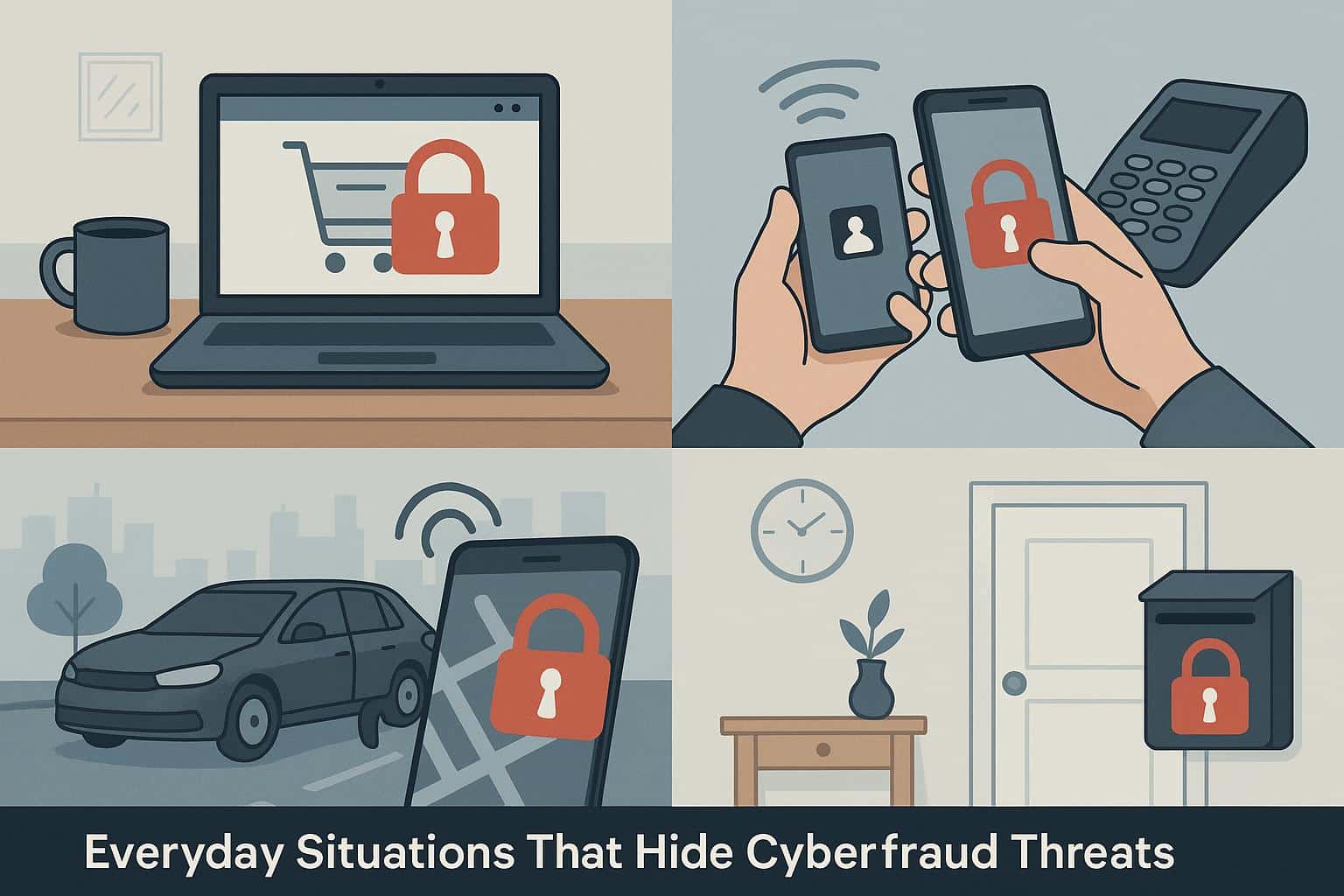
The Danger of Autopilot
Most cyber fraud does not begin with a dramatic hack. It begins on an ordinary Tuesday morning. You are clearing emails before work. You are connecting to public WiFi at a coffee shop. You are responding to a text that looks routine.
Cyber criminals rely on habit. The more normal something feels, the less you question it.
Think about how often you click on updates from banks, delivery services, or even financial providers offering options like a Minneapolis auto title loan. In a busy day, you are not analyzing every detail. You are scanning, reacting, moving on.
That everyday rhythm is exactly where cyber fraud hides.
Phishing That Feels Helpful
Phishing emails are no longer obvious messages filled with broken grammar and strange promises. Today, they look polished. They mimic real company logos. They reference actual transactions. Sometimes they even personalize details pulled from previous data breaches.
According to the Federal Trade Commission’s guidance on phishing scams, fraudsters often disguise emails as security alerts, package tracking updates, or password reset notices. The message creates urgency. It asks you to click a link or confirm your account.
The trick is subtle. You are not being asked to send money directly. You are simply verifying information. That small action can hand over login credentials or download malware without you realizing it.
The next time you receive a security alert, pause. Instead of clicking the link in the email, navigate to the company’s website directly through your browser. That simple shift breaks the scammer’s flow.
Public WiFi and the Illusion of Convenience
Free internet feels harmless. Airports, hotels, cafes, and libraries offer open networks that save you from using mobile data. But public WiFi can expose more than you think.
On unsecured networks, attackers can intercept data transmitted between your device and websites. That can include login information, emails, and payment details.
The Cybersecurity and Infrastructure Security Agency recommends avoiding sensitive transactions on public WiFi unless you use a secure connection such as a reputable virtual private network. Even then, awareness matters.
If you would not announce your bank password out loud in a crowded room, do not type it into a site over an unsecured network.
Convenience is attractive. So is free internet. But the risk is often invisible until damage is done.
Text Messages That Look Routine
Smishing, or phishing through text messages, has become increasingly common. You might receive a message claiming your bank detected suspicious activity. Or that a delivery attempt failed. Or that you need to confirm account details to avoid suspension.
The format is short and casual. It fits perfectly into the flow of daily life.
Because texts feel personal and immediate, people often respond faster than they would to an email. Scammers exploit that reflex.
If a message pressures you to act immediately, treat urgency as a warning sign. Contact the institution directly using a verified phone number from its official website, not the one provided in the message.
Social Media as a Trust Shortcut
Social media platforms blur the line between personal and professional. You might see an ad that looks legitimate. A friend might share a link to an investment opportunity. A comment might direct you to a support page.
Scammers understand that people trust recommendations from familiar faces. They also know that hacked accounts can send malicious links that appear to come from someone you know.
Be cautious when clicking links, even if they are shared by friends. Confirm unusual requests through a separate channel. If a friend suddenly asks for money or gift cards, call them.
Trust is powerful. It should not be automatic.
Routine Online Shopping
Online shopping has become second nature. You compare prices, enter payment information, and expect your order within days.
Fraudsters create fake retail websites that mirror legitimate stores. They advertise through search engines and social media, often offering steep discounts. Once you enter your card information, the site disappears.
Before making a purchase, check for secure website indicators such as HTTPS in the address bar. Research unfamiliar retailers. Look for independent reviews, not just testimonials posted on the site itself.
The Federal Trade Commission also provides advice on avoiding online shopping scams, emphasizing careful review of website details and payment methods.
The checkout process should not feel rushed. If it does, slow down.
Everyday Apps and Permissions
Many apps request access to your contacts, camera, location, or files. Sometimes that access is necessary. Often it is not.
Granting excessive permissions can expose personal data without you realizing it. If an app for editing photos asks for access to your contacts and microphone, question why.
Review app permissions regularly. Delete apps you no longer use. Keep your operating system and software updated to reduce vulnerabilities.
Cyber fraud does not always involve a dramatic breach. Sometimes it is a gradual erosion of privacy through small approvals you barely remember giving.
The Psychology Behind the Threat
What makes everyday cyber fraud so effective is not technical complexity. It is psychology.
Scammers rely on familiarity. They mimic brands you recognize. They exploit fear of missing out or fear of losing access. They create urgency to prevent reflection.
The antidote is not paranoia. It is mindful interruption.
Build a habit of pausing before clicking. Ask simple questions. Does this message match how the company usually communicates? Am I being rushed? Am I on a secure connection?
That brief pause disrupts the pattern scammers depend on.
Build Digital Boundaries Into Daily Life
Protecting yourself from cyber fraud does not require advanced technical skills. It requires small, consistent behaviors.
Use strong, unique passwords and consider a reputable password manager. Enable multi factor authentication when available. Monitor financial statements and credit reports for unusual activity. Report suspected fraud promptly to appropriate authorities.
The Federal Trade Commission’s identity theft resources provide step by step guidance if you suspect your information has been compromised.
Cyber threats are woven into everyday life because our digital routines are constant. The goal is not to live in fear. It is to live with awareness.
When you step out of autopilot and question what seems routine, you reduce the power of hidden threats. In a world where digital interactions are unavoidable, attention becomes your strongest security tool.

