





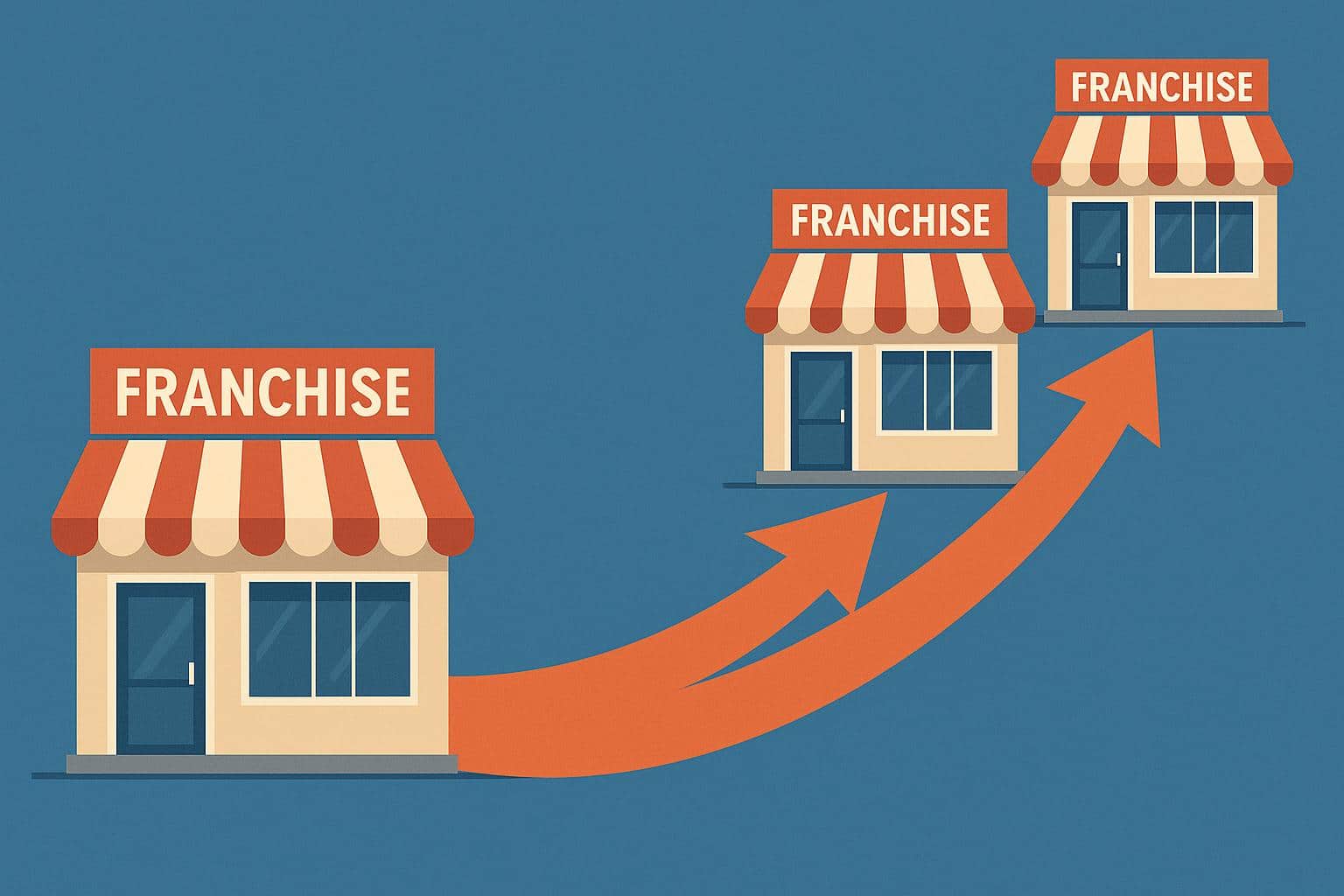
Owning one franchise location is an achievement. But for many entrepreneurs, it’s just the beginning. The real wealth in franchising often comes from scaling — turning that first unit into five, ten, or even twenty. Multi-unit franchise ownership isn’t just a bigger version of single-unit ownership. It’s a different game entirely, and winning it requires a different mindset and a smarter set of strategies.
Here’s how successful franchisees make the leap from one location to many.
Master Your First Location Before You Expand
This sounds obvious, but many eager franchisees rush into their second unit before the first one is truly running on its own. Before you think about expansion, your first location should have consistent profitability, a reliable management team, and documented systems that work without your daily involvement. If you’re still putting out fires at location one, opening location two just means twice the fires.
The goal is to build a location that runs smoothly whether you’re there or not. Once that’s true, you’ve essentially built a blueprint you can replicate.
Think Like an Operator, Not Just an Owner
Single-unit owners often wear every hat. They’re the manager, the trainer, the problem-solver, and sometimes the person mopping the floor at closing time. That approach doesn’t scale. Multi-unit owners have to think like operators — building teams, delegating authority, and creating accountability structures that keep standards high across every location.
This means investing in people. Hiring a strong general manager for your first location frees you up to focus on opening and stabilizing the next one. Your people are your infrastructure.
Choose the Right Franchise System
Not all franchise brands are built for multi-unit growth. Some concepts work beautifully at one location but become logistically complicated at scale. Before you commit to expansion within your current brand — or choose a new one — evaluate the franchise system itself. Does the franchisor offer multi-unit development agreements? Do they provide support for operators growing beyond a single location? What do other multi-unit owners within the system say about scalability?
This is exactly the kind of analysis where it pays to look into franchise consulting. A good franchise consultant helps you evaluate not just whether a brand is profitable, but whether it’s architecturally designed to support the kind of empire you’re trying to build. That insight alone can save you from costly mistakes.
Secure the Right Financing Early
Capital is the fuel for expansion, and the franchisees who grow fastest are usually the ones who establish strong financial relationships before they desperately need them. Build a relationship with lenders who understand franchise businesses — SBA lenders, franchise-focused banks, and alternative financing sources that are familiar with how franchise models work.
Reinvesting profits from your first location is smart. But relying solely on organic cash flow to fund expansion can slow your growth dramatically. Understanding your financing options gives you the flexibility to move quickly when the right opportunity comes along.
Lock Down Your Territory
One of the most powerful moves a multi-unit operator can make is securing development rights to a territory before competitors do. Many franchise systems offer Area Development Agreements, which give you the exclusive right to open multiple units within a defined geographic area over a set period.
These agreements require commitment, but they eliminate the risk of another franchisee opening right next to your location. If you’re serious about building a regional presence, territory control isn’t optional — it’s essential.
Build Systems That Scale
As you grow, the informal processes that worked for one location start to break down. Multi-unit owners need documented systems for everything: hiring, training, inventory management, customer experience, and financial reporting. These systems need to be simple enough that a new manager at a new location can follow them without you holding their hand.
Invest in technology that gives you visibility across all your locations at once. Point-of-sale platforms, scheduling software, and performance dashboards let you spot problems early and keep standards consistent without being physically present everywhere.
Create a Culture of Accountability
With multiple locations, you can’t manage through presence alone. You manage through culture. That means setting clear expectations, measuring performance consistently, and holding your teams accountable with data rather than gut feelings.
Regular check-ins, mystery shops, and performance reviews keep your standards from drifting location by location. Franchisees who build accountability into their culture find that their locations improve each other — high-performing managers naturally raise the bar for everyone around them.
Be Patient and Strategic
The franchisees who build the biggest empires rarely do it recklessly. They grow one smart step at a time, stabilizing each new location before moving to the next. They stay close to their numbers, stay selective about where they open, and stay honest with themselves about capacity.
Multi-unit success doesn’t happen because someone opened a lot of locations. It happens because someone opened the right locations, in the right order, with the right support structure in place.
Your first franchise was proof you could execute. Your empire is proof you can lead. The strategies above aren’t complicated — but they require discipline, patience, and the willingness to think bigger than the location you’re standing in right now.

